CARDIO TRAINING 101: WHAT IT REALLY IS (AND HOW TO USE IT WELL)
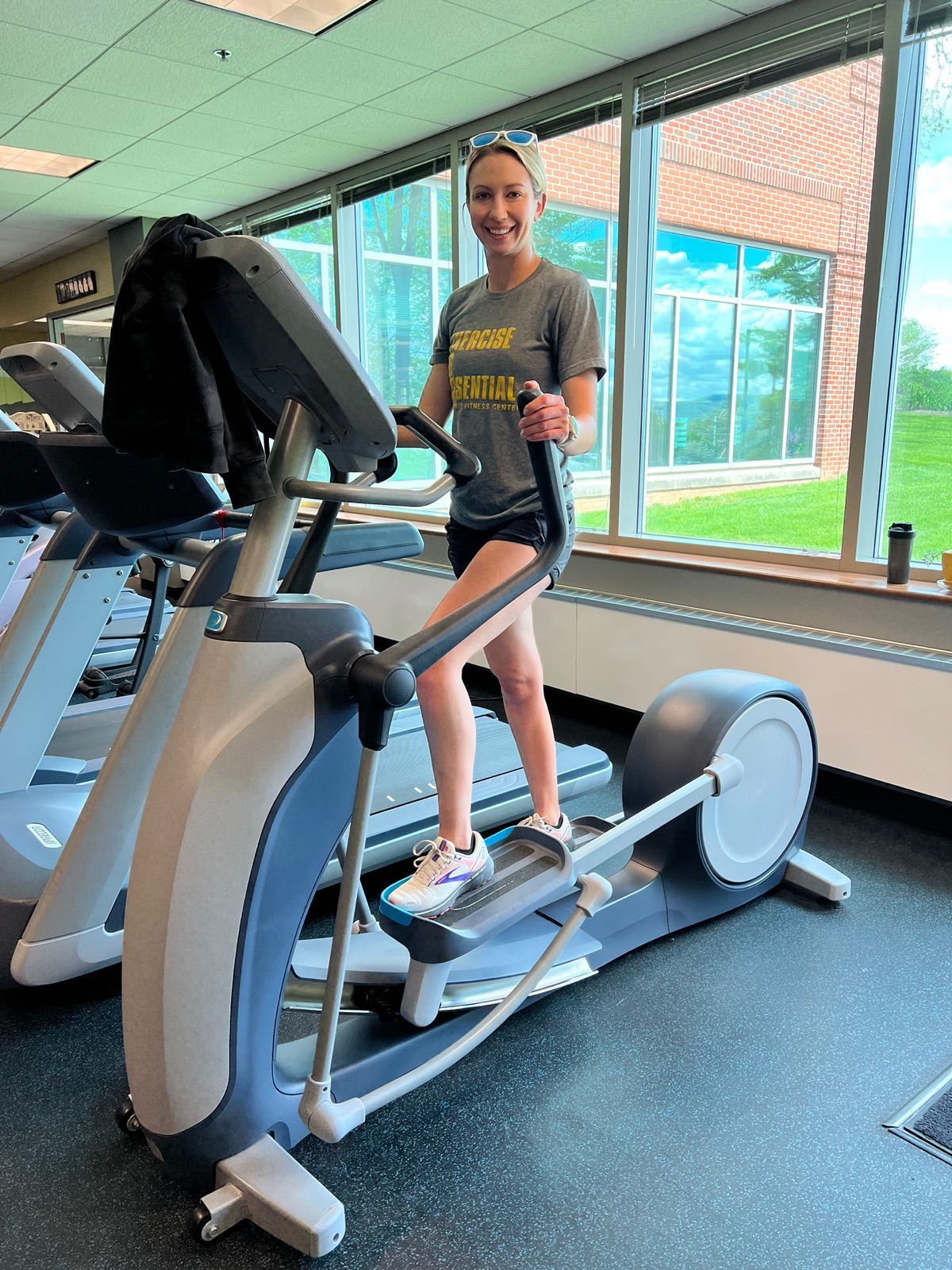
When most people hear the word cardio, they picture long treadmill runs, exhausting bootcamp workouts, or anything that leaves them dripping in sweat. But real cardiovascular training is much more intentional than that. When done properly, it improves your heart health, endurance, recovery, and overall performance — without needing to feel like punishment.
At its core, cardio is continuous or cyclical movement that uses large muscle groups at low to high intensities for a sustained period of time. Walking, running, cycling, swimming, and many sports all qualify. The common thread isn’t how tired you feel — it’s that your body is moving repeatedly and rhythmically for an extended duration.
One of the biggest misconceptions we see is the idea that anything that raises your heart rate counts as cardio. Your heart rate can spike from stress, caffeine, heat, anxiety, or even standing up too quickly. That doesn’t mean you’re training your cardiovascular system. Even strength training can elevate your heart rate, but true cardio involves sustained movement that challenges your heart and lungs over time.
Understanding intensity is what separates random workouts from purposeful training. Lower-intensity cardio, like a long walk or easy bike ride, builds your aerobic base and improves heart efficiency. Moderate intensity efforts improve endurance and overall conditioning. Higher-intensity intervals, like sprints or hard rowing efforts, develop power and increase your heart’s output. The most effective programs use all three — not just one.
At AFC, we emphasize training with intention. That’s why we incorporate heart rate monitoring through MyZone. Knowing your heart rate zones removes the guesswork. It helps you understand when you’re truly working aerobically, when you’re pushing into higher intensities, and when you need to pull back. It also helps prevent the common mistake of going too hard every single day.
When structured correctly, cardio training strengthens your heart and lungs, increases energy levels, improves recovery between workouts, and even supports cognitive function and mood. It reduces the risk of chronic diseases like heart disease and diabetes, and it builds a more resilient body overall.
We don’t believe in endless, mindless cardio at AFC. We believe in purposeful movement. We believe cardio and strength training should complement each other. And we believe progress comes from training smarter — not just harder.
Cardio isn’t about exhaustion. It’s about building capacity. And when paired with strength training, it becomes one of the most powerful tools you have for long-term health and performance.
For more information, watch the full presentation on cardio by clicking the link below!
https://coachcollinc4hp.notion.site/Cardio-101-Presentation-1c1abe3f1b4f802bb872e5c78b0ace2c
RECENT POSTS