HOW TO READ FOOD LABELS AND MAKE SMARTER NUTRITION CHOICES

By: Megan V Carrier, MS, RD
Understanding how to read food labels is one of the simplest ways to become more aware of what you are eating. Nutrition labels can look complicated at first, but once you know what to focus on, they become a helpful tool for making informed food choices.
The goal of reading food labels is not to label foods as “good” or “bad.” Instead, it helps you understand how different foods fit into your overall nutrition habits.
Start With the Serving Size
The first thing to check on any nutrition label is the serving size and the number of servings per container. Many people assume a package is a single portion, but that is often not the case. Everything listed on the label, including calories and nutrients, is based on one serving, not the entire package. Understanding this helps you get a more accurate picture of what you are actually consuming.
Food Labels
Calories and Macronutrients
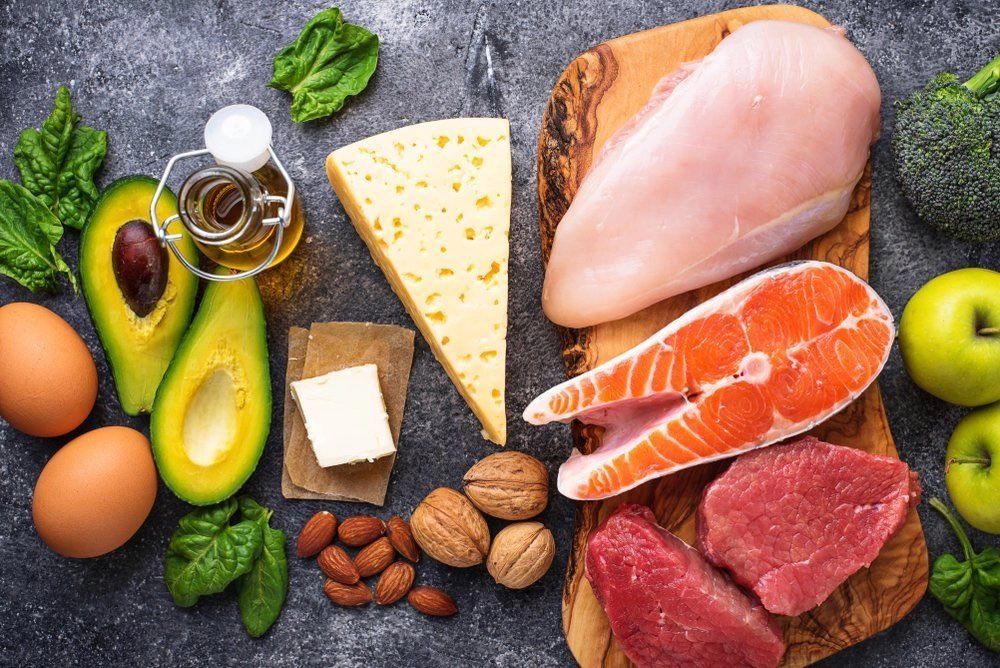
Calories on a nutrition label represent the amount of energy in one serving of that food. These calories come from the three main macronutrients: carbohydrates, protein, and fat. Carbohydrates and protein contain four calories per gram, while fat contains nine calories per gram. Because of this, foods higher in fat tend to have more calories per serving.
Understanding Fat, Carbohydrates, and Protein
Fat, carbohydrates, and protein are the main nutrients your body uses for energy and recovery. Fat should not automatically be avoided, as certain fats support heart health and overall function. Carbohydrates include sugars, starches, and fiber, and fiber plays an important role in digestion and overall health. Protein helps support muscle repair and recovery, especially for people who exercise regularly.
Pay Attention to Sodium
Sodium is another important number to check, especially in packaged foods. Many processed foods contain high levels of sodium, which can add up quickly throughout the day. The American Heart Association recommends keeping sodium intake around 2,300 milligrams per day for most adults, with lower recommendations for individuals with certain health conditions.
Food Labels Help You Make Informed Choices
Learning how to read nutrition labels can help you better understand what is in the foods you eat and how they support your health and fitness goals. Instead of focusing on strict rules, use food labels as a tool to build awareness and create balanced eating habits.
If you are looking for more personalized guidance, Alliance Fitness Center offers nutrition coaching to help you build sustainable habits that support your health, training, and lifestyle.
Contact us to learn more about our nutrition coaching programs and how we can help you reach your goals.
RECENT POSTS