When it comes to athletic performance, training is not one-size-fits-all. What you should be doing in the off-season is very different from what your body needs during the season. Understanding that difference is key to improving performance, reducing injury risk, and staying consistent year-round.
The Main Difference Between Off-Season and In-Season Training
Off-season training is designed to build. This is the time to develop strength, power, speed, and overall athletic capacity. It incorporates a variety of progressive training methods to prepare athletes for the unpredictable nature of sport.
In-season training, on the other hand, is designed to maintain. The goal is to continue developing qualities that are not being fully trained during practice while keeping the athlete healthy and performing at a high level.
What Off-Season Training Should Focus On
The off-season is where the real physical development happens. Training during this time should emphasize progressive overload, meaning you are gradually increasing weight, volume, and intensity over time.
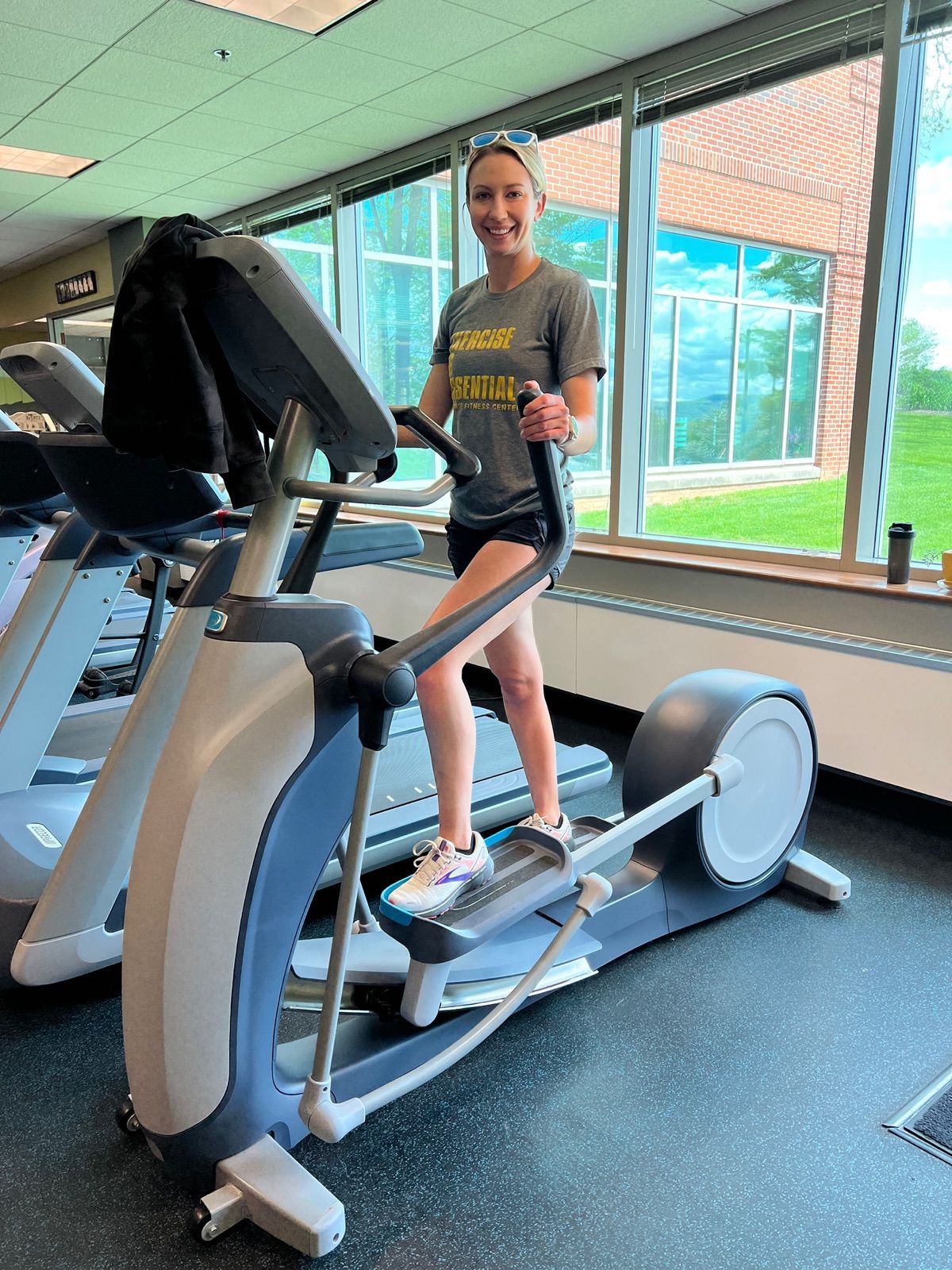
Athletes should be training through full ranges of motion while building strength, power, and speed. This is also the time to improve cardiovascular fitness through a mix of endurance work and interval training at varying intensities.
Another key focus is identifying and developing weak links. Whether that is mobility, stability, or strength imbalances, the off-season is the opportunity to address those gaps and become a more efficient mover in all planes of motion.
What In-Season Training Should Focus On
In-season training often gets misunderstood. Many athletes think they should only focus on “sport-specific” work, but in reality, most of that is already happening during practice and competition.
In the weight room, the goal is to continue giving the body what it is not getting on the field. That means maintaining strength, power, and movement quality without overloading the system.
Athletes spend most of their time in-season performing frequent, submaximal efforts. Because of that, training should include small doses of high-intensity work to maintain top-end strength and speed without creating excessive fatigue.
Overtraining the same qualities used in sport can increase injury risk, so balance is critical. The goal is to stay sharp, not run yourself into the ground.
Structuring a Training Week During the Season
A well-structured in-season program adjusts based on game schedules.
On training days leading up to a game, the focus should be on higher intensity work with a strong central nervous system stimulus. This includes strength and power exercises performed at submaximal loads, typically in the range of 70–85% of max effort, along with small doses of maximal speed or agility work.
On training days following a game, the focus should shift to recovery. This includes mobility work, lighter loads, and addressing any soreness or minor injuries. The goal is to restore movement quality and prepare the body for the next performance.
Recovery, Lifestyle, and Performance Factors
Training does not happen in a vacuum. Factors like sleep, nutrition, stress, and overall lifestyle play a major role in performance and recovery.
Athletes should aim for 7–9 hours of sleep per night and maintain a well-balanced diet that includes adequate protein intake, carbohydrates for fuel, and healthy fats. School, social life, and even hormonal fluctuations can impact training, so programs should always account for the individual athlete.
The Relationship Between Training and Injury
One of the biggest reasons for structured training is injury prevention. Joint stability, movement control, and strength all play a role in reducing injury risk.
For example, athletes with increased joint laxity or hypermobility are at a higher risk of injury because their joints move beyond normal ranges of motion. This is especially relevant for female athletes, who are statistically more likely to experience non-contact ACL injuries.
This is why building strong, stable musculature is so important. Strength training provides the support that joints need to handle the unpredictable forces experienced during sport.
Why Training Should Be Controlled, Not Random
There is a common misconception that training should mimic the chaos of sport. In reality, the weight room should be a controlled environment where athletes build capacity safely and effectively.
Trying to recreate unpredictable, flashy movements seen online often increases injury risk without providing real benefit. Instead, training should focus on controlled, progressive exercises that improve strength, stability, and movement efficiency so the body is better prepared for the demands of competition.
How Strength Training Should Progress
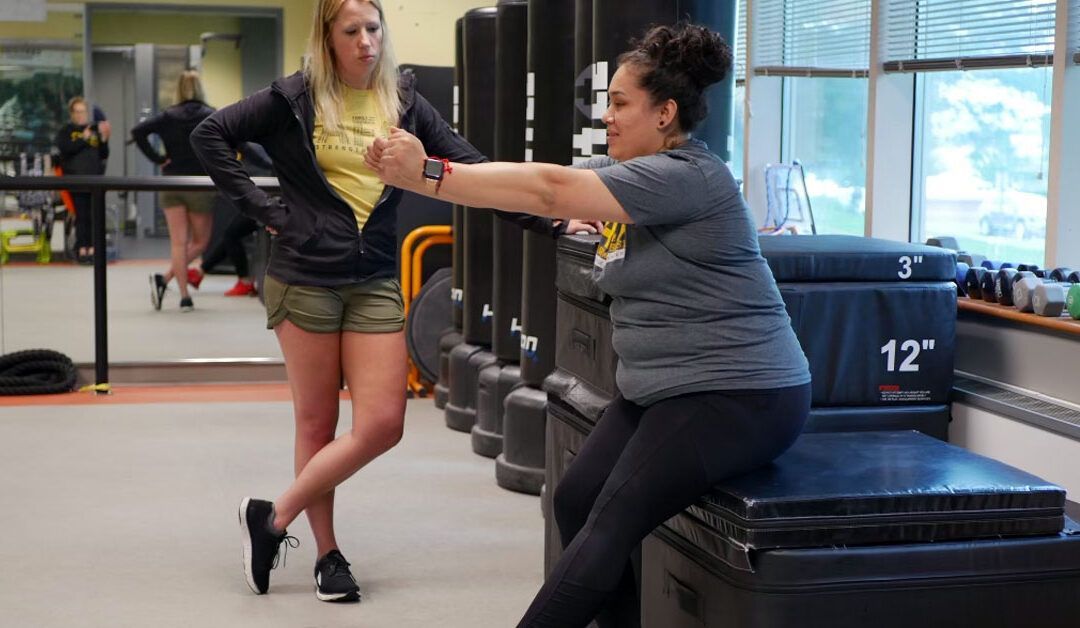
A well-designed program progresses from simpler to more complex movements over time. This often means starting with bilateral exercises and gradually progressing to unilateral work.
Lower body training should include both knee-dominant and hip-dominant movements, while upper body training should balance pushing and pulling exercises. Core training should focus on stability, rotation, and resisting movement to build a strong and resilient foundation.
This type of progression ensures athletes are not just getting stronger, but also moving better and more efficiently.
Developing Speed, Power, and Athleticism
Speed and power development require intentional programming. Sprint mechanics, acceleration work, and change-of-direction drills all play a role in improving athletic performance.
One key principle is that true speed development requires full recovery between efforts. If rest periods are too short, the workout becomes conditioning rather than speed training.
Power can be developed through plyometrics, jumps, and medicine ball work, all of which train the body to produce force quickly and efficiently.
Measuring Progress
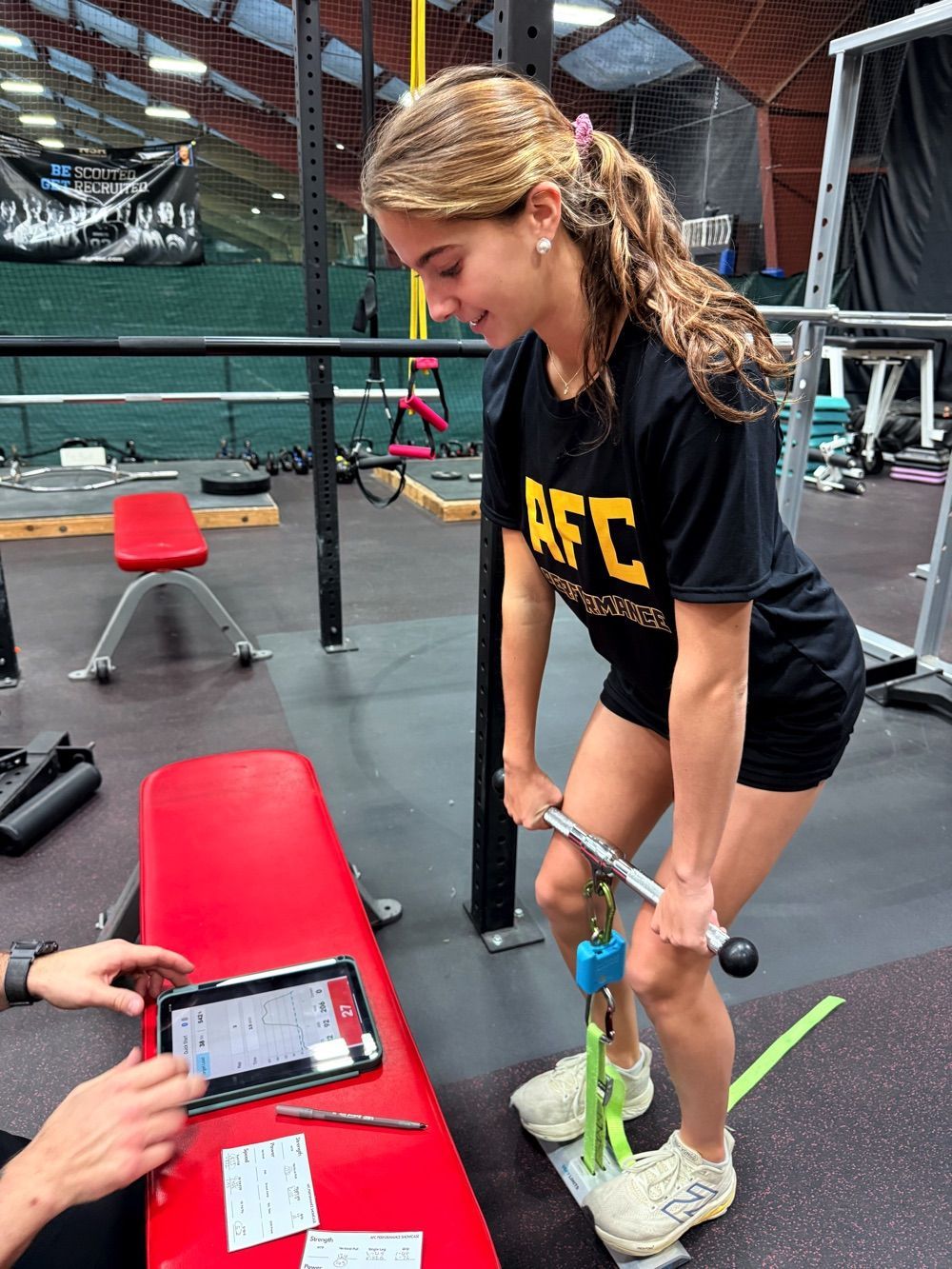
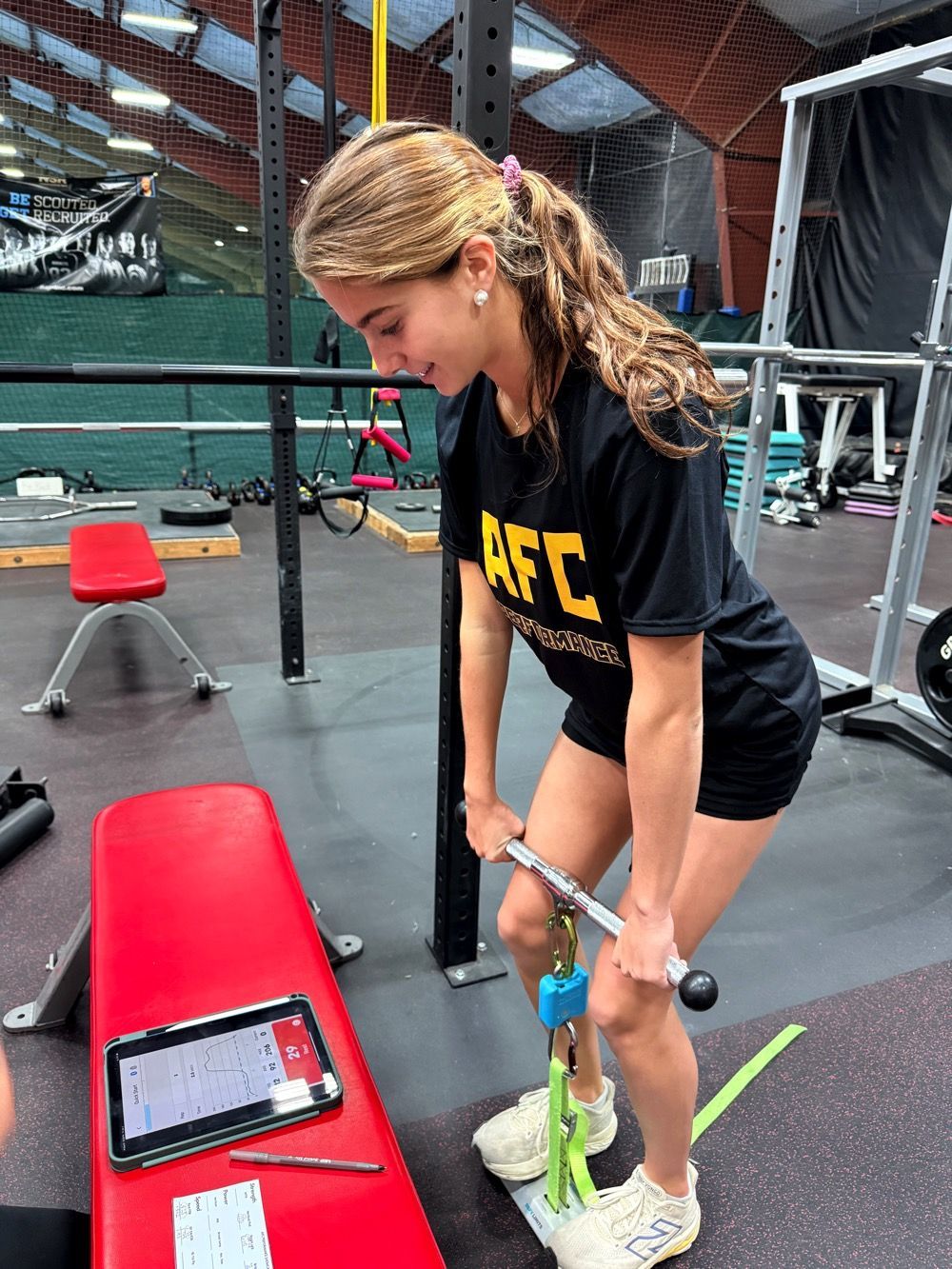
The only way to know if a program is working is to test and measure progress. Strength, speed, and power can all be tracked using tools like force plates, timing gates, and jump testing.
It is important to remember that progress is not always linear, but consistent testing provides valuable feedback and helps guide future training decisions.
Final Thoughts
The biggest mistake athletes make is treating training the same year-round. Off-season and in-season programming serve different purposes, and both are essential for long-term success.
When training is structured properly, athletes not only perform better, but they also stay healthier and more resilient. The goal is not just to be good at your sport, but to become a well-rounded athlete who can handle whatever the game throws at you.
Ready to improve your performance?
If you’re an athlete looking to get stronger, faster, and more resilient, our team at Alliance Fitness Center can help. Call us at 610-376-2322 to learn more about our athlete performance training programs.
RECENT POSTS