I want you to go on any platform and follow these steps:
- Once on the platform (e.g., google) search the word “Fitness.”
- Now click on images.
- Now ask yourself, “What do I see?”
Here are some of the possible answers you might come up with:
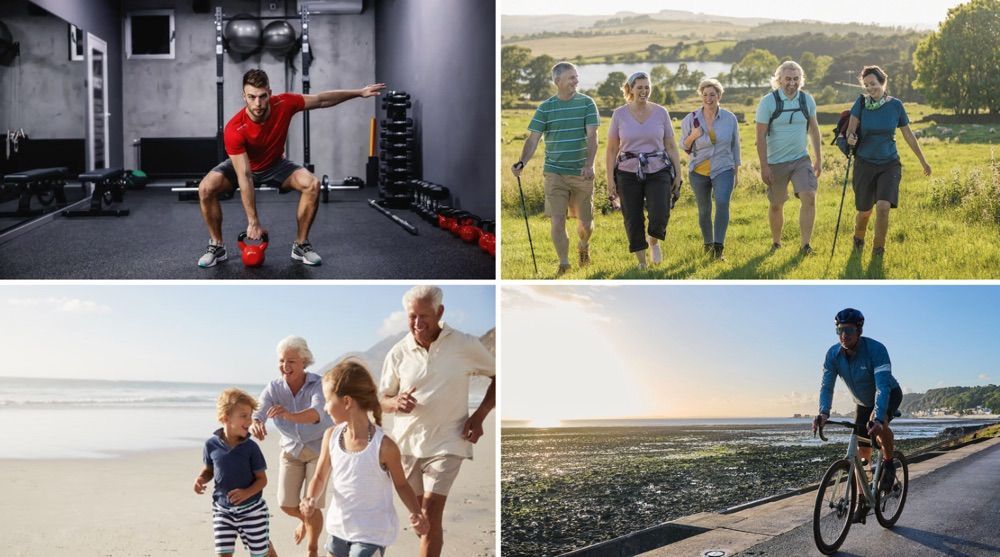
- Young adults, muscular people, people lifting weights, people posing, people chasing aesthetics over function, and the list goes on.
Now ask yourself:
- Where are the 70-year-olds walking with their grandkids? ….Where are the hikers? ….The cyclists? ….The people going for 10 minute walks after dinner? ….The construction worker staying strong enough to do their job? ….The parent who just wants enough energy to play with their kids?
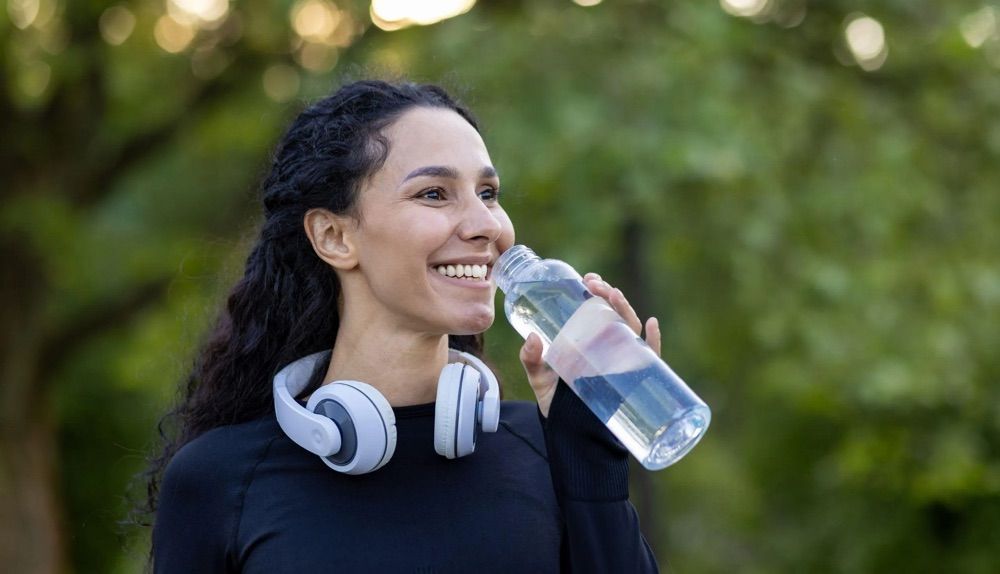
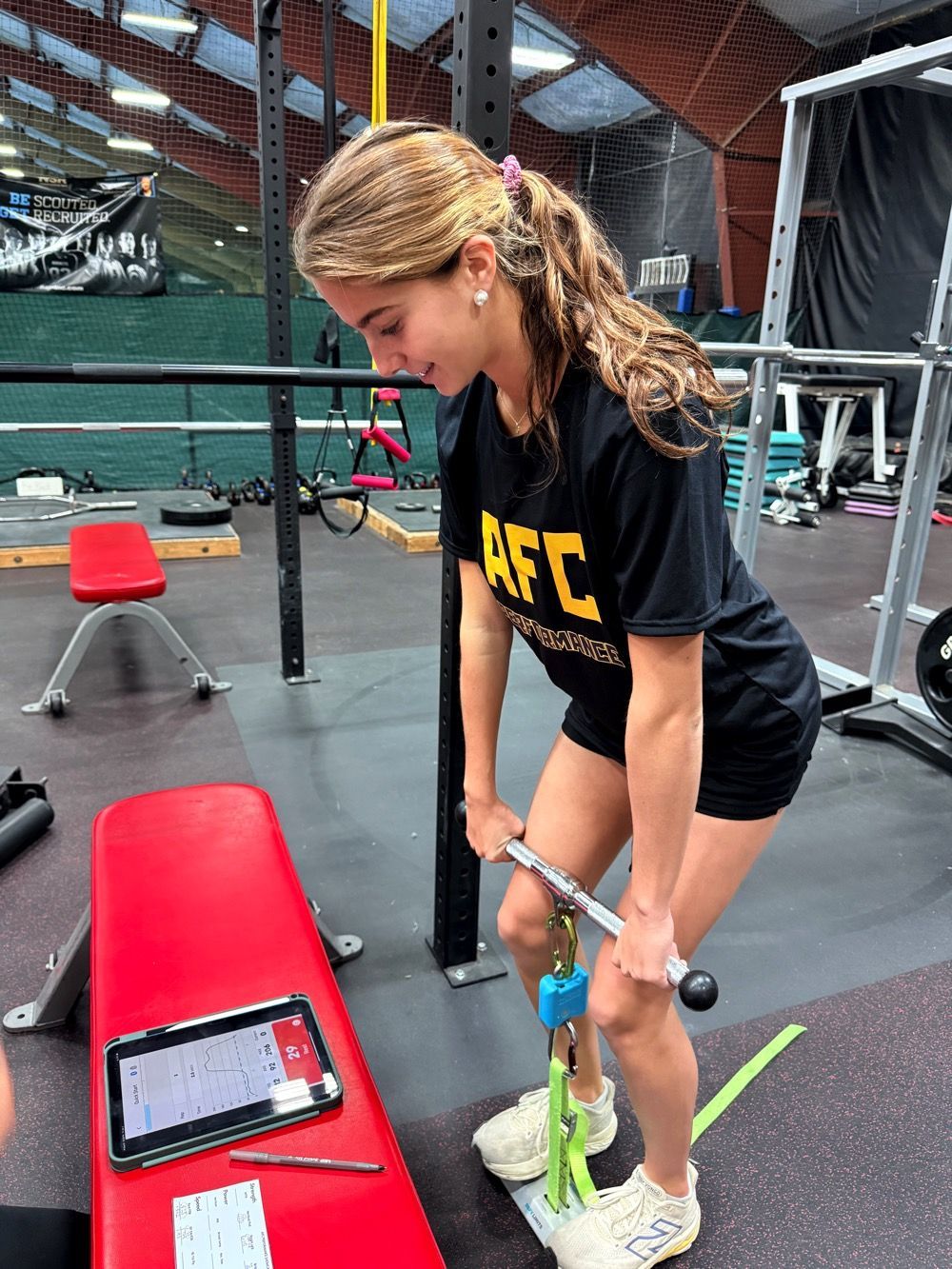
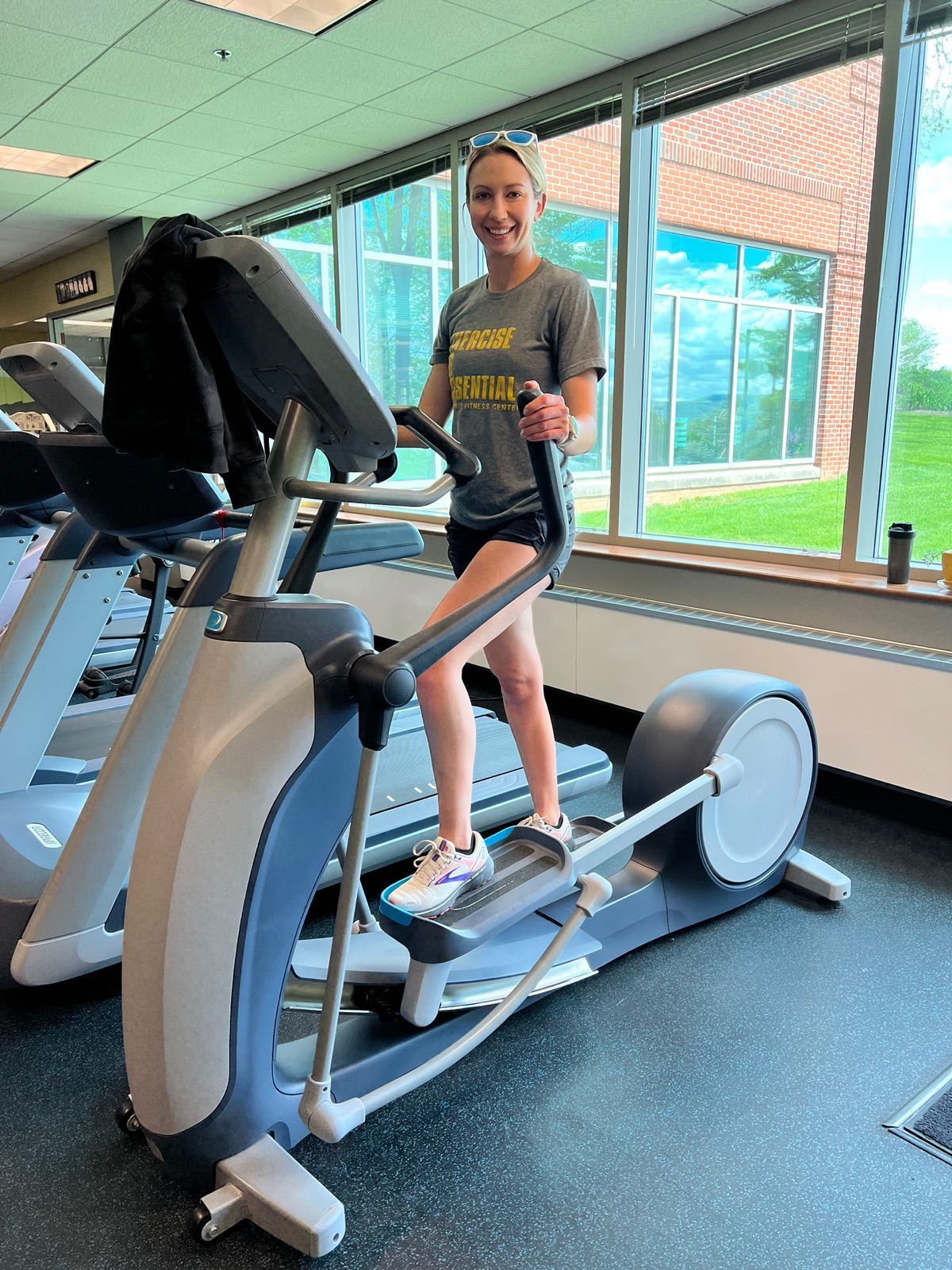
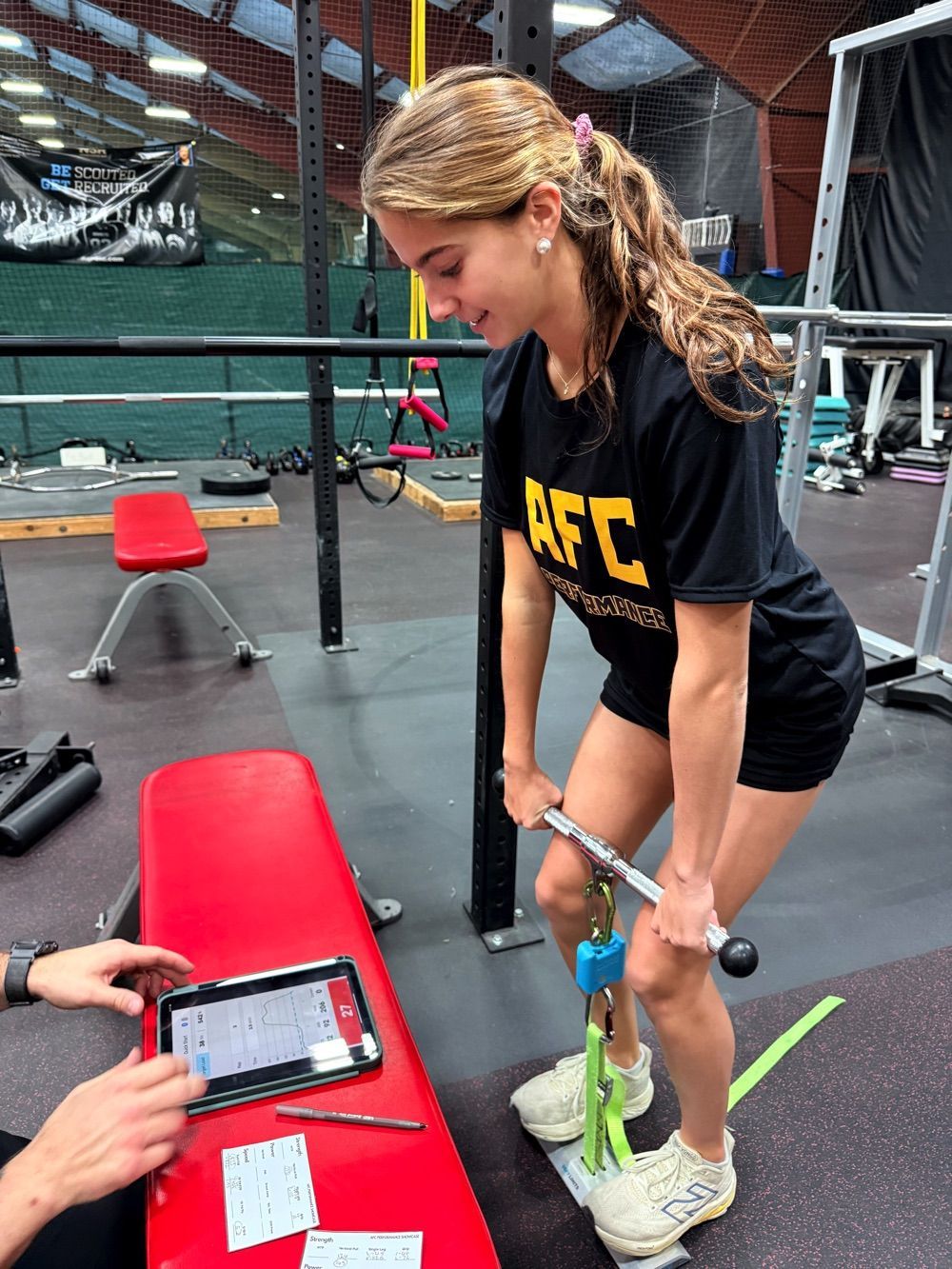
What is the common theme here? All of these activities require a level of fitness and platforms don’t highlight that at all!! They highlight the stereotype of what fitness looks like — bodybuilders. Google, Firefox, Chrome, etc., gives you a false sense of perception and reality. The truth is: fitness looks different with everybody!
This is part of the problem with modern fitness. Fitness has become associated with a specific population (e.g., young adult bodybuilders) instead of a human behavior-movement. Research has found that exercise imagery tends to associate “exercise” more strongly with younger adults and gym-or sport-based activities, while older adults and activities such as active labor can be less strongly associated with the idea of exercise (Cope et al., 2018).
And that matters!
Because when people repeatedly see one type of population represented as “fit,” they start believing: “Fitness isn’t for someone like me.”
Older adults have specifically reported using the people and activities shown on physical-activity websites as signals of whether they would feel welcome in those environments (Clemson et al., 2025).
I’m inviting you to think and argue against this and think outside of this stereotypical box online platforms have made fitness to be. Fitness should be BIGGER than a gym!
Fitness is being strong enough for your job…..strong enough to hike…. to travel…. to play with your kids…. to be independent enough to take care of yourself as you age…. etc.
The goal shouldn’t be to look like a fitness model. The goal should be to live capable lives and improve your quality of life.
Let’s redefine what fitness looks like! Are you with me?
Thank you for reading,
Luke Gehman, B.S. in Kinesiology, NASM-CPT, MBSC-CFSC.
Personal Trainer/Strength & Conditioning Coach at The Alliance Fitness Center
Email: gehmanluke@icloud.com
Instagram: LG Fitness & Education
References
Clemson, V., Grey, E., Barnett, J., Burfitt, E., & Gillison, F. (2025). Exploring Older Adult's Views of the Age-Inclusivity of Physical Activity Websites Using the Think Aloud Method: Qualitative Analysis. JMIR aging, 8, e68951. https://doi.org/10.2196/68951
Cope, K., Vandelanotte, C., Short, C. E., Conroy, D. E., Rhodes, R. E., Jackson, B., Dimmock, J. A., & Rebar, A. L. (2018). Reflective and Non-conscious Responses to Exercise Images. Frontiers in psychology, 8, 2272. https://doi.org/10.3389/fpsyg.2017.02272
RECENT POSTS